How to Protect Your Hamilton Yard Pest-Free
If you want a tidier, more secure outdoor space, a practical approach to pest control Hamilton starts with knowing what attracts pests in the first place. In Hamilton, ON, yards often sit between the moisture influence of Lake Ontario, the natural edges of the Niagara Escarpment, and dense residential areas where insects and wildlife can thrive. The good news is that ongoing yard pest prevention can make a big difference.
Homeowners can lessen pressure from insects, rodents, and wildlife by focusing on property maintenance, sanitation, and simple preventive measures. That means managing standing water, keeping overgrown grass trimmed, enhancing drainage, and limiting food attractants around the home perimeter. It also means understanding when a problem has moved beyond routine outdoor pest control and into a full infestation territory.
What pests are most common in Hamilton yards?
Homeowners in Hamilton commonly deal with a variety of outdoor pests that are well suited to local conditions and seasonal changes. The most common include ants, mosquitoes, ticks, and wasps. These pests are more than just annoying; some are vector-borne pests or stinging insects that can affect outdoor comfort and safety.
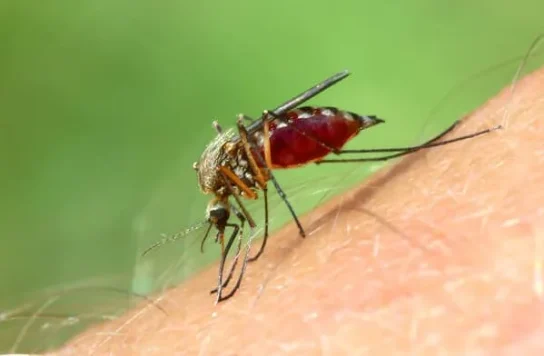
Ants frequently make nests in soil, pavers, or beside foundations, especially where there is moisture and easy access to food. Mosquitoes reproduce fast in damp areas, gutters, clogged drains, birdbaths, and any standing water left after rain. Ticks hide in tall grass, brush, and leafy edges where people, pets, or wildlife pass by. Wasps become more active around eaves, sheds, decks, and picnic areas, especially when sugary drinks, open food, or garbage are nearby.
These pests are not isolated from one another. A yard with poor sanitation, poor drainage, and excess vegetation can create multiple breeding grounds at once. For that reason an effective plan for pest control in Hamilton usually starts with the whole yard, not just a single nest or swarm.
Why are pests a bigger concern in Hamilton’s climate and neighbourhoods?
Hamilton’s setting produces a range of pest-supporting conditions. Humid air from Lake Ontario can increase humidity in some neighbourhoods, and humid conditions encourage mosquito activity and other dampness-loving pests. In warm months, that extra moisture also helps hidden breeding sites stay active longer.
The city’s location near the Niagara Escarpment and surrounding green space also adds to pressure from wildlife and ticks. Areas bordering trails, wooded edges, and natural corridors often see more movement from deer, rodents, raccoons, and squirrels. Those animals can carry pests, disturb landscaping, and leave access points around yards.
Older neighbourhoods in Hamilton often have mature trees, established hedges, aging fence lines, and more gaps around foundations, garages, and sheds. These features can provide hidden harbourage for pests and make exclusion harder if the yard has not been updated for years. Small openings in vents, cracks near utility lines, or loose fencing can become easy entry points for rodents and wildlife.
Hamilton homeowners should also consider seasonal pest pressure across southern Ontario. Spring thaw can expose overwintering pests and make drainage problems obvious. Summer brings peak mosquito and wasp activity, especially during humid stretches. Fall often spikes rodent movement as mice and rats look for food and shelter before colder weather arrives.
How should I make my yard more resistant to pests?
The best pest prevention steps are easy, regular, and centered on risk reduction. Many pests are attracted to yards because the environment offers moisture, shelter, and easy meals. If you eliminate those advantages, your property becomes less appealing.
Focus first with standing water. Empty anything that collects water after rain, including buckets, toys, tarps, plant trays, and clogged containers. Clear gutters and check low spots where water sits after storms. Improving drainage in problem areas can dramatically reduce mosquito pressure and make the yard less attractive to other pests as well.
Lawn maintenance helps as well. Keep overgrown grass trimmed and remove thick patches where ticks and rodents can hide. Edge the lawn regularly, rake up leaves, and keep pathways clear. This reduces harbourage and improves visibility, which is important for spotting early signs of infestation.
Storage habits also matter. Keep garbage bins securely sealed and washed as needed, especially if they contain food waste. Manage compost carefully by using a secure bin and avoiding meat, dairy, or oily leftovers that attract rodents and raccoons. If you leave pet food outdoors, bring it in immediately after feeding.
Be mindful of other food sources too. Fallen fruit, bird seed spills, and grill residue can all act as attractants. A clean yard with strong sanitation practices is much less appealing to ants, wasps, mice, and larger wildlife. Good moisture control and sanitation are among the most practical forms of homeowner tips for pest prevention.
What yard design options help prevent pest problems?
Smart landscaping can strengthen long-term pest control by cutting down on shelter and moisture around your home. The goal is to maintain a tidy, open layout that helps keep away pests while still looking vibrant and welcoming.
Mulch should be used wisely. While mulch is useful for soil health and appearance, thick layers placed directly against the foundation can retain moisture and create cover for ants, insects, and rodents. Keep mulch a little thinner near the home and avoid piling it high against siding or beds that touch the house.
Shrubs need regular shaping so they do not touch walls, windows, or rooflines. Overly dense plantings can hide nests and support pest travel along the structure. Pruning shrubs and removing overgrown vegetation improves airflow and reduces the shaded, damp conditions https://www.google.com/maps/place/Mosquito+Man+Hamilton/@43.1795221,-79.7846013,743m/data=!3m2!1e3!4b1!4m6!3m5!1s0x882c99b896cadbd5:0x1f155b0edc4cfa3b!8m2!3d43.1795221!4d-79.7846013!16s%2Fg%2F11mwz2m6mr!5m1!1e2?hl=en&entry=ttu&g_ep=EgoyMDI2MDgxOS4wIKXMDSoASAFQAw%3D%3D that pests favor.
Drainage is one of the most important landscape factors. If water pools near downspouts, patios, or garden edges, pests will benefit from it. Regrading low areas, cleaning out clogged drains, and directing runoff away from the foundation can make your yard less suitable for mosquitoes and other moisture-seeking pests.
Think of your yard as a system. Healthy landscape maintenance, proper spacing, and regular inspection all encourage pest prevention. When the yard is designed for airflow, sunlight, and water movement, it becomes less inviting for pests to settle in.
How do I deal with ticks, mosquitoes, and stinging insects carefully?
Ticks and mosquitoes are two of the biggest outdoor pest problems for Hamilton homeowners because they affect both enjoyment and health. Safe control starts with cutting down on exposure and changing the conditions that help them thrive.
For tick prevention, keep grass short, trim brush, and create a buffer between wooded areas and play spaces. If your yard borders the Escarpment or a green corridor, pay extra attention to leaf litter, shaded borders, and tall weeds. Ticks often wait along edges where people and pets pass through, so keeping those areas tidy helps.
For mosquito control, remove standing water wherever possible and clean containers after rain. Use fans on patios and decks when practical, since moving air makes it harder for mosquitoes to land. Repair screens on porches and doors, and consider improving drainage in consistently wet corners of the yard.
Repellents can provide extra protection during peak mosquito and tick seasons. Choose products designed for outdoor use and follow label directions carefully. Reapply as needed, especially after sweating or spending time in dense vegetation. For children and pets, use only products that are appropriate for them.
Protective clothing is another practical step. Light-coloured long sleeves, long pants, closed shoes, and socks pulled over pant legs can reduce contact with ticks and biting insects. After yard work, check yourself, children, and pets for ticks, especially around ankles, waistbands, behind knees, and under arms.
If biting insects remain persistent despite these steps, an inspection may reveal hidden breeding areas or shelter sites that need targeted treatment. Safe outdoor pest control should focus on the source, not just the visible pest.
How do I keep rodents and wildlife out of my yard?
Rodents and wildlife are strongly influenced by feed, cover, and entry. In Hamilton, mice, rats, raccoons, and squirrels can all become regular visitors if a yard offers easy rewards.
Start by securing garbage bins and keeping lids tight. Rodents and raccoons are resourceful, and even small scraps can draw them in. Remove spilled bird seed, fallen fruit, and grill grease. If you keep bird feeders, place them where seed does not accumulate below, and consider bringing them in at night if wildlife pressure is high.
Watch for signs of entry along the home perimeter. Gaps under sheds, broken vents, loose deck boards, and holes near utility penetrations can all provide access. This is where exclusion becomes essential. Sealing openings, repairing screens, and reinforcing vulnerable areas help keep rodents from moving in.
Yards with dense cover, stacked materials, and cluttered corners create harborage. Keep firewood raised and away from the home, store tools neatly, and avoid leaving pet food outdoors. If you use compost, maintain it properly so it does not become a food source for wildlife.
Be aware that raccoons and squirrels are not just nuisance visitors; they can damage roofs, dig up lawns, and disturb gardens. Mice and rats can spread quickly if they find shelter. Good sanitation, timely repairs, and careful landscaping are the foundation of rodent prevention in Hamilton.
When should I call an expert pest control service in Hamilton?
There are times when self-managed steps are enough, but there are also situations where professional help is the more secure and more efficient choice. If you are seeing repeated activity, it may be more than a minor nuisance and closer to a growing infestation.
Look for infestation signs such as signs of nesting, feces, chewed items, persistent burrows, hornet or wasp nesting activity, or frequent pest sightings in the same location. If pests keep reappearing after cleanup and prevention efforts, the source may be out of sight in the structure, soil, or landscape.
A professional service can provide a careful inspection and recommend an approach built around integrated pest management. That usually means identifying the pest, detecting contributing conditions, and combining sanitation, exclusion, habitat modification, and, when needed, targeted treatment or residual treatment. This is often more successful than repeated broad spraying.
In many Hamilton yards, seasonal treatment can be helpful when pressure rises in spring and summer or when fall rodents begin moving indoors. A professional can time service around local conditions and tailor it to your property, whether you live near downtown, along the Escarpment edge, or in a suburban area with mature landscaping.
If you want long-term control rather than short-term relief, ask about a prevention-focused plan. The best pest control Hamilton strategies are built around inspection, risk reduction, and maintenance rather than one-time fixes.
What should Hamilton homeowners do seasonally to stay pest-free?
A strong pest prevention plan follows the seasons. Hamilton homeowners who stay ahead of changes in weather and pest behaviour usually have fewer problems throughout the year.
Spring cleanup is the first priority after thaw. Remove leaves, broken branches, and debris that sheltered pests over winter. Check for drainage issues, fix standing water problems, and inspect sheds, fences, and decks for winter damage. Spring is also a good time for an inspection before mosquito and wasp activity ramps up.
Summer yard care should center on mowing, pruning, watering wisely, and keeping food attractants under control. Trim overgrown grass, maintain shrubs, and check patios, trash areas, and garden corners for mosquitoes, ants, and wasps. This is also the season to stay consistent with tick checks and mosquito control.
Autumn yard prep matters because cooler weather often nudges rodents toward shelter. Clean up fallen leaves, store firewood properly, and seal gaps before temperatures drop. Reduce seed spills from bird-feeding stations and secure garbage bins as wildlife becomes more active. Good fall prep can prevent winter nesting close to the home.
Cold-season storage is part of prevention too. Put away cushions, toys, and equipment in sealed containers. Keep compost managed, avoid leaving food debris outside, and inspect storage areas for signs of mice or rats. Even when the yard is quiet, pests may be sheltering nearby and waiting for spring.
Consistency is the key to seasonal pest prevention. Small, regular habits often outperform occasional emergency cleanup.
Frequently asked questions about yard pest prevention in Hamilton
What are the most common yard pests in Hamilton, ON?
Local yard pests often include ants, mosquitoes, ticks, wasps, rodents, raccoons, and squirrels. Hamilton, ON has a mix of humid conditions, green space, and mature neighbourhoods that can support these pests if yards are not well maintained.
Mosquito Man Hamilton62 First Rd W, Hamilton, ON L8J 3R2, Canada
+1 289-408-9573
https://maps.app.goo.gl/47W3PJ15EnQopiUf6
https://sites.google.com/view/pest-control-hamilton-ontario/
43.1795221, -79.7846013
How often is yard pest treatment needed in Hamilton?
It depends on the pest pressure, your property layout, and the season. Seasonal pest prevention often works better for many homeowners than constant treatment. If you are dealing with recurring outdoor pests, an inspection can help determine whether targeted treatment, seasonal treatment, or prevention-only steps are best.
Can standing water in my yard attract mosquitoes and other pests?
Absolutely. Standing water is one of the biggest mosquito breeding grounds, and it can also attract other pests that prefer moisture. Clearing standing water and improving drainage are among the most effective homeowner tips for lowering pest activity.
What is the best method to reduce ticks in my Hamilton yard?
Tick control works best when you keep grass short, clear away fallen leaves, prune dense shrubs, and reduce access to overgrown edges. When your yard borders the Niagara Escarpment or nearby green space, extra attention to landscape maintenance and protective clothing is especially helpful.
When is it time to contact pest control Hamilton for outdoor pest problems?
Contact pest control Hamilton if you notice signs of recurring infestation, recurring wasp activity, rodent activity, or pest pressure that keeps returning after DIY prevention. A professional inspection and an IPM plan can solve the root issue, not just the symptoms.